
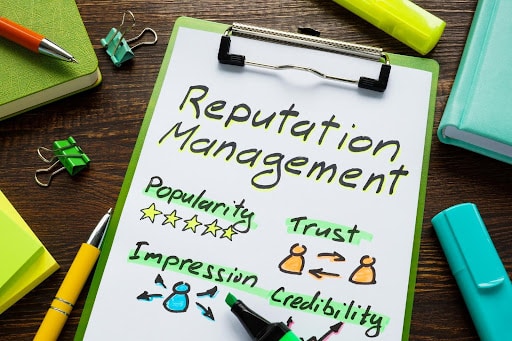
If you wait until a crisis hits to think about your online reputation, you are already behind. In today’s always-on world, a single negative review, misleading article, or viral social post can reshape public perception in hours. A reputation management plan helps you respond quickly, protect trust, and keep control of your narrative.
Reputation Risks Are Predictable, Even When The Crisis Is Not
Most reputation “surprises” are not truly unexpected. They usually come from common triggers, such as negative reviews that go unaddressed, a competitor or disgruntled customer posting damaging content, a customer service mistake that escalates publicly, outdated or inaccurate information ranking on Google, or a data breach or operational issue becoming public.
A plan gives you a framework to handle these scenarios consistently, rather than reacting emotionally or improvising under pressure.
Speed Matters, But Clarity Matters More
In a crisis, everyone feels pressure to respond immediately. Without a plan, businesses often say too much too soon, contradict themselves across channels, miss key legal and compliance considerations, or fail to take the right steps to remove or suppress harmful content.
A reputation management plan outlines who makes decisions, what to say, what not to say, and when to escalate. That allows you to act fast and stay aligned.
Your Online Reputation Is Built Long Before Anyone Searches For You
When someone Googles your business, they do not just see your website. They see reviews, news articles and blog posts, social media profiles, directory listings, forum threads, and third-party platforms that you do not control.
If negative results are already ranking, it is harder to fix quickly. But if you have built up a strong base of credible positive content, one damaging result has less impact.
This is why proactive content creation is a core part of reputation management. It strengthens your brand narrative and improves search results over time.
A Plan Helps You Reduce Harm From Negative Content
Not all negative content can be removed, but many situations have options.
A proactive reputation plan typically includes monitoring so you spot harmful content quickly, clear assessment criteria to decide what is misinformation versus opinion and what can be actioned, defined removal pathways for content that violates platform rules or relevant laws, and a suppression strategy using SEO and content to reduce the visibility of damaging search results.
The businesses that recover fastest are the ones that know what to do the moment something appears online.
What A Strong Reputation Management Plan Should Include
A practical plan is not a long document that sits in a folder. It is a set of repeatable actions and responsibilities. Here is what we recommend.
- Baseline audit (where you stand today)
Start with a clear picture of your current search presence. Review Google results for your brand name, key staff, and core services, then identify any negative or high-risk results. From there, map your review profiles and directory listings, so you know where customers can find and evaluate you.
- Monitoring and alerts (so you do not get blindsided)
Set up monitoring that flags issues early. This usually includes Google Alerts and brand mention tracking, review monitoring for key platforms, and social listening for your brand and senior leaders.
- Response playbook (what to do when something happens)
Define exactly who responds and who approves messaging, so there is no confusion when time is tight. Prepare templates for reviews, complaints, and misinformation, and set clear escalation rules for legal, PR, and leadership.
- Negative content removal strategy (when removal is possible)
Document the steps for content removal, including platform policy checks and reporting workflows. Make evidence gathering and documentation part of the process, and set a timeline for follow-ups and appeals so cases do not stall.
- Positive content strategy (to strengthen and protect search results)
Build a content engine that supports both visibility and trust. Publish SEO-focused blog content that answers customer questions, add brand storytelling assets like case studies and founder stories, and strengthen profiles and listings that can rank for your name. Most importantly, set a realistic cadence so your content stays consistent and current.
- Crisis communications plan (if a major incident occurs)
Prepare a simple crisis comms plan you can activate immediately. This should include a holding statement, core messaging pillars, and a channel plan covering your website, social channels, email, and press. Include an internal communications plan as well, so staff, partners, and stakeholders hear consistent information.
When Should You Create Your Plan?
Now. A reputation management plan works best when you can build it calmly, with time to audit, create content, and set up monitoring. Waiting until a crisis hits means you will be trying to fix search results, messaging, and public perception all at once.
Need Help Building A Reputation Management Plan?
If your business is dealing with negative search results, harmful online content, or you want to strengthen your online presence before issues arise, we can help. Our reputation management services focus on online negative content removal where policy or legal routes apply, online reputation management through consistent, search-optimised positive content, and monitoring and response support so you stay in control.
If you would like an audit of your current search results and a clear plan of action, get in touch, and we will walk you through the next steps.