
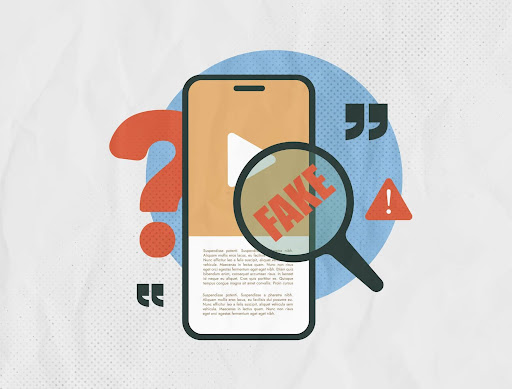
Fake reviews and fraudulent feedback can damage trust quickly. They might be posted by competitors, disgruntled individuals, or automated accounts, and they often spread when nobody responds. Most platforms have rules against this behaviour, and there are practical steps you can take.
1. What counts as a fake review?
A review is often considered fraudulent when it comes from someone who was never a real customer or client, when it is part of a coordinated attack, or when it is purchased, automated, or posted from throwaway accounts. Reviews intended to mislead, extort, or harass may also qualify.
Platforms also tend to remove reviews that contain harassment, threats, personal data, spam, conflicts of interest (such as competitor or employee reviews), or reviews aimed at the wrong business.
2. Common signs that a review is suspicious
A single sign is not proof, but patterns matter.
Review content red flags: Fake reviews often lack details a real customer would know, and they may use generic wording that looks copied and pasted across accounts. Watch for extreme accusations with no specifics, references to events, staff, or locations that do not exist, and unnatural repetition of keywords that reads like SEO spam.
Timing and behaviour red flags: Fraudulent campaigns commonly show up as a sudden spike of 1-star reviews within hours or days. You might also notice reviews coming from outside your operating region, multiple new accounts reviewing only your business, or the same writing style appearing across different accounts.
Account red flags: Suspicious profiles often have no photo or history, post many reviews in a short time, or use names that look auto-generated.
3. What not to do (even if the review is clearly fake)
It is easy to make things worse by reacting quickly.
Avoid reactions that create extra risk. Do not threaten legal action publicly unless you have a clear strategy and legal advice. Do not accuse the reviewer of lying, and keep your reply calm and professional. Do not try to “balance it out” with fake positive reviews, and never reveal customer data in public.
4. First steps: document everything
Before you report, create a clean evidence pack. This helps if you need escalation later.
Start by capturing a clear record: screenshot the review and the reviewer profile, copy the review URL, and note the date and time it was posted. If there are multiple reviews, keep a simple timeline so you can show the pattern. Where possible, gather proof that the reviewer is not a real customer, such as booking or CRM logs, order history, email records, or internal staff rota information if the review references someone who was not working.
Keep your documentation factual. Avoid speculation.
5. Post a public response that protects your reputation
A strong public reply can reduce harm even if the platform does not remove the review.
Goals of a good response: The aim is to reassure potential customers that you take feedback seriously, while making it clear you cannot verify the experience from the information provided. Invite the reviewer to contact you privately so you can investigate, and be careful not to share any private information in public.
Example response (use and adapt)
Thank you for your feedback. We take concerns seriously, but we cannot locate any record that matches this experience. Please contact us directly with your full name, the date of service, and any relevant details so we can investigate and resolve this promptly. If this review was posted in error, we would appreciate the chance to clarify.
If the review includes harassment or false accusations, keep the tone the same and focus on reporting it through the platform.
6. How to report fake reviews (the right way)
Most platforms use a combination of automated checks and manual moderation. Your report should make moderation easy.
When reporting, include: Choose the most relevant policy category, such as spam, conflict of interest, harassment, or off-topic. Then add a short, evidence-based explanation, along with links to the review and the reviewer profile, plus any supporting screenshots or documentation.
How to phrase it: Keep it specific, objective, and focused on patterns where relevant. For example, you might say there is no record of the reviewer in customer logs for a defined time period, that the review references a location you do not operate, or that you received a sudden cluster of reviews from new accounts within a short window.
Avoid reports like “This is fake” with no details. They are easy to ignore.
7. Escalation options if the platform does not act
If standard reporting does not work, escalate through platform support channels where available. When reporting a coordinated attack, highlight patterns clearly, including dates, account similarities, and review volume. If your first report is rejected, request a secondary review. For defamation, threats, or personal data, consider formal routes with professional advice.
8. Reduce the impact long-term: build a review and content strategy
The best defence is a strong baseline of credible reviews and positive content. Ask real customers for reviews consistently, make it easy with a direct link, and diversify across platforms so you are not dependent on one site. Monitor your brand name so you can respond quickly, and keep publishing helpful content that shows real outcomes.
9. When to get professional help
If the reviews are part of a sustained attack, or if you are dealing with harassment, impersonation, or defamation, expert support can save time and reduce risk.
At White Lily Reputation, we support clients with evidence-led review dispute submissions, escalation support and platform liaison, and reputation repair through positive content strategy and ongoing monitoring.
If you would like help assessing the reviews or building a removal strategy, get in touch, and we will talk through your options.