
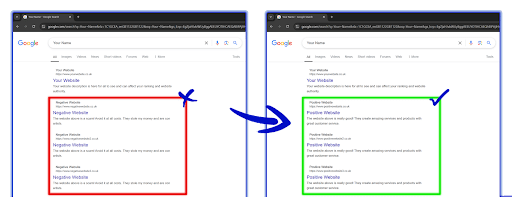
If your business or personal name is being harmed by damaging search results, the Right to Be Forgotten can be a powerful legal tool. In the UK and across the EU, it gives individuals the ability to ask search engines to remove certain results from searches for their name when those results are inaccurate, excessive, outdated, or no longer relevant.
This does not mean content is erased from the internet entirely. In many cases, the material stays live on the original website. The change happens at the search engine level, where the result is no longer shown for name-based searches.
What The Right To Be Forgotten Means
The Right to Be Forgotten is commonly linked to data protection law and search engine delisting. It is most often used to reduce the visibility of harmful or unfair content that appears when someone searches for a person’s name.
Common examples include old articles about minor legal issues that are no longer relevant, search results for incorrect or misleading allegations, news content that is outdated and unfairly damaging, private personal information that should not be publicly easily found, and results that create a disproportionate impact on a person’s reputation.
When Can It Apply To Search Results
A request is more likely to succeed when the search result is tied to a person’s name and the public interest in keeping it visible is limited. Search engines and regulators usually look at whether the information is inaccurate, incomplete, excessive, irrelevant, out of date, or unfairly damaging.
A successful request often depends on balancing the individual’s privacy and reputation against the public’s right to know.
When It Is Less Likely To Apply
The Right to Be Forgotten is not a blank cheque for removing anything negative. It is less likely to apply where the content involves serious criminal matters, public figures or prominent business leaders, ongoing public interest issues, content that is still accurate and highly relevant, or information that is necessary for accountability or consumer protection.
If the content is part of a legitimate public record or remains clearly in the public interest, search engines may refuse to remove it.
Search Results Versus Website Removal
It is important to understand the difference between delisting and removal. Delisting means the result no longer appears in search results for a person’s name, while removal means the content is deleted or taken offline from the original website.
In many reputation cases, delisting is only one part of the strategy. A reputation management plan may also include content suppression, positive content creation, and targeted digital PR to push down harmful results.
How A Reputation Management Company Can Help
At a professional reputation management company, the goal is not just to react to harm. It is to build a stronger and more resilient online profile.
That can include assessing whether a Right to Be Forgotten request is realistic, identifying the search results causing the most damage, preparing supporting evidence for delisting requests, contacting publishers where removal may be possible, creating positive content to improve search visibility, and publishing authoritative, brand-safe material that ranks well.
For many clients, the best outcome comes from combining legal, technical, and content-based strategies.
What To Do Next
If negative search results are affecting your name, brand, or business, the first step is to review exactly what appears in search and why. Some results may qualify for delisting. Others may need a broader reputation strategy.
A tailored approach can help you decide whether to pursue search engine removal, website takedown, or positive content campaigns to improve what people see first.
Need help reducing the impact of harmful search results? A reputation management strategy can help you take back control of how you appear online.