
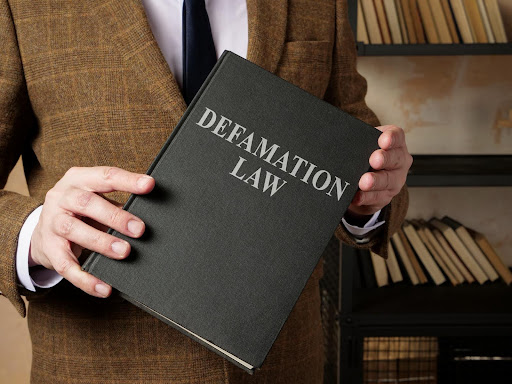
Your business reputation can be damaged in seconds by false statements published online. Understanding UK defamation laws is essential for protecting your business from harmful misinformation and knowing your rights when false claims are made about your company.
What is Defamation?
Defamation is the publication of a false statement that causes serious harm to a person’s or a business’s reputation. In the UK, defamation law is primarily governed by the Defamation Act 2013, which modernised previous legislation to address the challenges of the internet era.
There are two types of defamation: libel, which refers to written or published defamatory statements (including online posts, articles, social media, and reviews), and slander, which refers to spoken defamatory statements. For businesses, libel is typically the greater concern, as most damaging statements appear in written form online.
Key Requirements for a Defamation Claim
To successfully bring a defamation claim in the UK, you must prove several key elements. First, the statement must be defamatory, meaning it lowers your business’s reputation in the eyes of reasonable people. Second, the statement must have referred to your business so that people could identify your company from it. Third, the statement must have been published and communicated to at least one person other than you. Finally, you must demonstrate that serious harm was caused—for businesses specifically, you must prove the statement caused or is likely to cause serious financial loss under Section 1 of the Defamation Act 2013.
Defences Against Defamation Claims
If someone publishes a statement about your business, they may have several legal defences available to them. The defence of truth means that if the statement is substantially true, it cannot be defamatory. Honest opinion protects genuine opinions based on facts that are clearly identified as opinion rather than fact. The public interest defence applies when the publication was in the public interest, and the publisher reasonably believed it was. Finally, privilege protects certain statements made in court proceedings or parliament.
Time Limits for Taking Action
Under UK law, you generally have one year from the date of publication to bring a defamation claim. This strict time limit makes it crucial to act quickly when you discover defamatory content about your business.
For online publications, each viewing or sharing of defamatory content may constitute a fresh publication, potentially extending this timeframe, though courts are increasingly reluctant to allow claims based on historic publications.
Steps to Take When You Discover Defamatory Content
If you find false statements harming your business reputation online, there are several important steps to take. Begin by documenting everything—take screenshots with dates, URLs, and context of the defamatory statements. Assess the potential damage to your reputation and business, then consider sending a cease and desist letter requesting that the publisher remove the content and issue a retraction. You should also contact the platform hosting the content to report it, seek legal advice from a solicitor specialising in defamation law, and consider alternatives to litigation, such as mediation or negotiation, which may resolve the issue faster and more cost-effectively.
The Role of Online Platforms
Under the Defamation Act 2013, website operators have a defence if they can show they did not post the defamatory statement. However, if you notify them of defamatory content, they must follow specific procedures or risk losing this defence.
Many platforms have their own reporting mechanisms for defamatory or abusive content, which should be your first port of call before considering legal action.
Costs and Considerations
Defamation claims can be expensive and time-consuming, so several factors should be carefully weighed before pursuing legal action. Legal costs for defamation cases can run into tens of thousands of pounds, even if you’re successful. You should also be aware of the Streisand Effect, where legal action may actually draw more attention to the defamatory statement. The reputation impact of litigation can be significant, as court cases are often public and may generate negative publicity. In many cases, alternative solutions such as reputation management strategies may prove more effective and affordable than pursuing litigation.
How Reputation Management Can Help
Rather than pursuing costly litigation, many businesses find that professional reputation management offers a more practical solution. This can include content removal services that work with platforms to remove false or defamatory content, SEO suppression techniques that push negative content down in search results by creating positive content, and review management that builds a strong foundation of genuine positive reviews to outweigh false negatives. Online monitoring helps track your business’s online reputation to catch problems early, while crisis management provides effective responses to reputation threats before they escalate.
Prevention is Better Than Cure
Protecting your business from defamation starts with proactive reputation management. This means monitoring your online presence regularly, responding professionally to all reviews, including negative ones, and building a strong positive online presence across multiple platforms. Address customer complaints promptly to prevent public disputes, maintain detailed records of business practices to counter false claims, and train staff on social media policies and professional communication.
Conclusion
While UK defamation laws provide businesses with legal recourse against false statements, litigation should be a last resort. Understanding your rights is important, but in many cases, strategic reputation management offers a faster, more cost-effective, and less risky solution to protecting your business from online defamation.
If your business is suffering from false statements or negative content online, professional reputation management specialists can help you remove harmful content, suppress negative search results, and build a stronger, more resilient online presence.
Need help protecting your business reputation? Our team specialises in removing negative content and managing online reputations for businesses across the UK. Contact us today for a confidential consultation about how we can help restore and protect your business’s good name.